Last updated 08.15.2025
How much does a dental bone graft cost?

Learn more about Dr. Matthew Harper
A dental bone graft is a common procedure designed to rebuild or preserve bone in the jaw, often necessary when bone loss has occurred due to missing teeth, gum disease, or trauma.
If your doctor has recommended a bone graft as part of your implant treatment plan, you’re probably wondering: How much will this cost? You’re not alone. Understanding the financial side of treatment is a key part of making informed decisions.
In this article, we’ll break down what you can expect in terms of cost, coverage, and value.
How much does a dental bone graft cost?
Typical price ranges based on procedure type
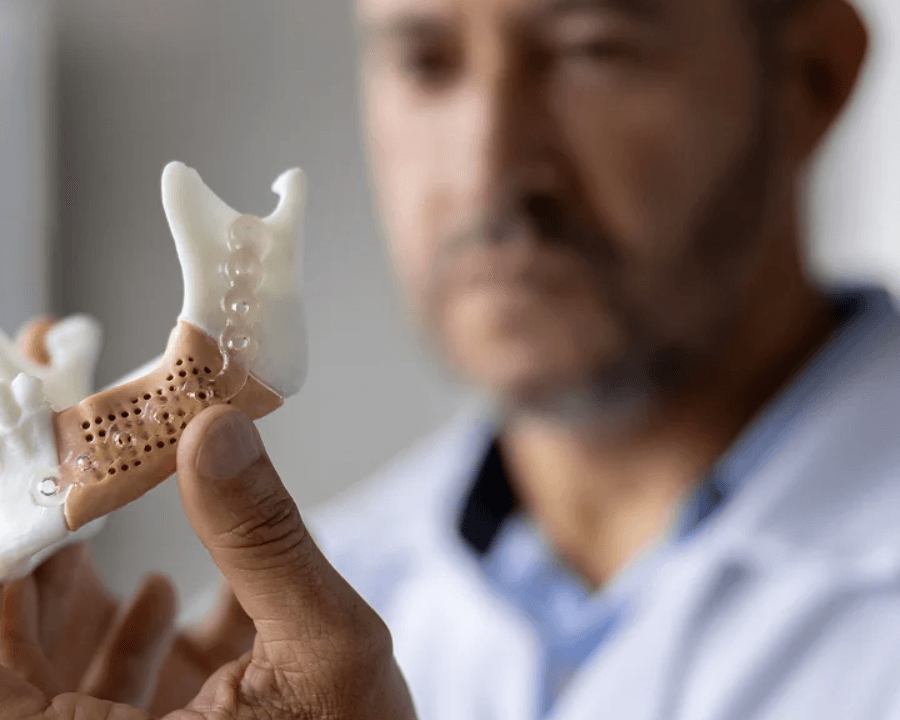
Bone graft procedures can range widely in cost depending on the specifics. In general, prices can vary from $500 to $6,000.¹ The lower end may cover a simple graft using a small amount of material with minimal surgery, while the higher end might involve a more complex graft using a larger volume of donor bone or bone relocated from your own body.
Costs may also increase if additional, complex procedures are involved, such as tooth extractions, sinus lifts, or ridge augmentation. At ClearChoice, these services are often bundled together, which can offer better pricing clarity and coordination than visiting multiple providers.
¹Average price paid nationwide including all available discounts for selected treatment. Doctor evaluation required.
Factors that affect price
Several key elements influence the total cost of a bone graft:
Type of graft material: Options include synthetic material, donor bone (allograft), or your own bone (autograft). Each has its own benefits, limitations, and price point.
Procedure complexity: The more extensive the grafting area and surgical preparation needed, the higher the cost.
Type of clinic: An integrated center like ClearChoice may reduce overall costs by offering everything under one roof, compared to fragmented referrals across different offices.
Cost comparison: bone graft with vs. without dental implants
Many patients receive a bone graft as part of their dental implant treatment, and this context often changes how the graft is priced. If it’s part of a full-mouth restoration plan, costs may be included in a single comprehensive package.
Standalone grafts, often performed in preparation for future implants or to stabilize the jaw, may have separate charges. But when tied to implants, a successful graft can help protect your investment long-term.
Costs
ClearChoice patients often ask what their cost will be. While every case is different, we strive to offer clear, up-front pricing. Please keep in mind ClearChoice centers do not accept insurance.
A patient will be provided a detailed treatment plan that they can submit to their insurance team for direct reimbursement, if any. If you have questions about insurance coverage, you should contact your insurance provider directly.
Does insurance cover dental bone grafts?
Medicare, Medicaid, and other programs
Public health programs like Medicare and Medicaid generally offer limited dental benefits. In some cases, a bone graft may be covered under these programs or personal dental insurance plans if it is deemed medically necessary, but patients should consult directly with their plan provider to understand their individual benefits. ClearChoice does not process or coordinate any insurance coverage.
What if I don’t have insurance?
ClearChoice Dental Implant Centers partner with third-party financing vendors who can help make care more accessible. At ClearChoice, we understand that financial barriers shouldn’t prevent you from getting the treatment you need, and we’ll work with you to find a manageable path forward.
Is a dental bone graft worth it?
Long-term implant stability and success rates
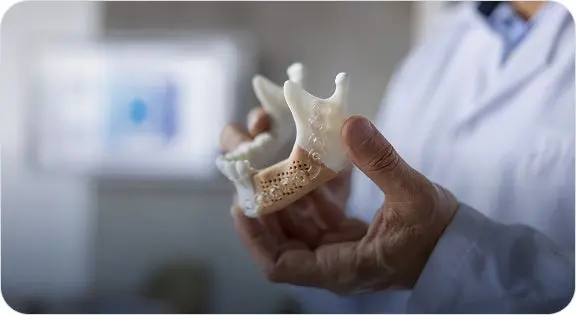
The short answer? Yes, when recommended by your provider, a dental bone graft can dramatically increase the success rate and longevity of your implants.
A strong, healthy jawbone is essential for implants to integrate properly. Without adequate bone support, implants may fail, leading to additional costs and frustration down the road. Investing in a graft when it’s needed is often the best way to do it right the first time.
What happens if you skip a bone graft?
Skipping a necessary bone graft can lead to complications such as:
- Implant failure or instability
- Bone resorption and further bone loss
- The need for more invasive revisions later
By addressing bone loss proactively, you’re not just supporting implants, you’re helping to preserve your oral health for the future.
Are there lower-cost alternatives?
Some patients may consider dentures or bridges instead of implants. While these options may come with lower upfront costs, they often require more maintenance and don’t necessarily prevent bone loss over time. For many patients, bone grafting and implants offer the most natural function, aesthetics, and long-term value.
What affects dental bone graft cost the most?
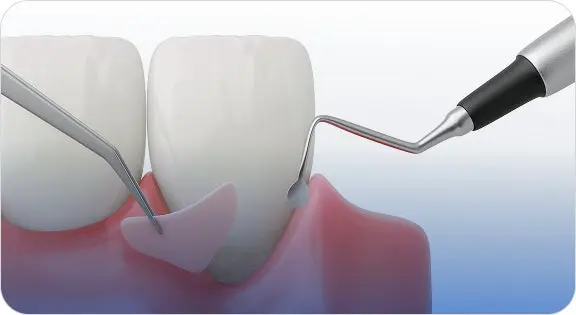
Graft material used (Synthetic, autograft, allograft)
The type of material used in your graft can significantly impact both cost and healing:
- Synthetic: Usually used to create a shape for the newly grafted donor bone particles that are seeded within the synthetic material. This is made in special laboratories. It is not meant to become bone on its own.
- Allograft (donor bone): Moderately priced, with good compatibility, comes from a bone bank.
- Autograft (your own bone): Taken from somewhere else on your body. Typically the most expensive due to additional surgery to harvest the bone, but sometimes preferred in complex cases.
At ClearChoice, we select materials based on clinical need, not just cost, balancing patient safety, healing, and long-term outcomes.
Type of procedure and provider expertise
Integrated centers like ClearChoice offer collaborative care from oral surgeons, prosthodontists, and lab technicians working together and offering great results and cost efficiencies.
Location and center setup
Regional pricing and multi-office treatment can drive up the total cost of care. At ClearChoice, our all-in-one model eliminates the need for multiple appointments at different locations, often reducing both time and cost for patients.

What to expect at ClearChoice
Why Choose ClearChoice?
At ClearChoice, we understand that dental bone grafting is a major decision—not just financially, but emotionally and physically too. That’s why we:
- Provide personalized consultations with expert doctors
- Offer transparent, bundled pricing for peace of mind
- Partner with vendors to provide third-party financing options
- Deliver care through an integrated team under one roof
Every smile is different, and we’re here to help you find the best path forward.
Take the First Step
Ready to restore your smile? Schedule your consultation today and discover whether a bone graft and implant treatment are right for you.
Bone graft cost FAQs
How long does a dental bone graft last?
With proper care, a bone graft can remain healthy and stable for many years. Once integrated, it becomes part of your jaw’s structure, especially when protected by dental implants. Dental implants and their attached teeth help keep the surrounding bone healthy by transmitting chewing force. Delaying implant placement after a bone graft can lead to graft resorption. Timely implant placement, good oral hygiene, and regular checkups are key to maintaining bone over time.
How painful is a dental bone graft?
Most patients report mild to moderate discomfort after a bone graft, similar to a tooth extraction. Local anesthesia is used during the procedure, and over-the-counter medications usually manage post-operative discomfort. At ClearChoice, we also offer sedation options for those with dental anxiety.
Can I get a bone graft years after tooth loss?
Yes. Even if a tooth has been missing for many years, bone grafting may still be possible. However, the extent of bone loss can impact the type of graft needed. That’s why we always encourage patients to schedule a consultation sooner rather than later.